If you are planning a pork BBQ cookout or family dinner celebration, you might be confused about pork butt vs pork shoulder.
Well, both cuts provide rich taste and are suitable for slow-cooking and BBQ methods. But that does not mean that both are the same.
Their fat distribution, texture, and preparation needs are different, which makes them a different choice for BBQ.
One might be used for pulled pork, while the other may be used as a complimentary dish to be served with the pulled pork.
Pork Butt vs Pork Shoulder: What’s the Difference?
Pork butt and pork shoulder are both from the front shoulder of the pig. They both relate to parts of the shoulder primal, but different parts.
The pork butt is the upper shoulder, and the picnic shoulder is the lower shoulder, closer to the front leg.
| Factor | Pork Butt | Pork Shoulder |
| Shoulder section | Upper shoulder (front) | Lower shoulder (front) |
| Common name | Boston butt | Picnic shoulder |
| Fat distribution | More intramuscular marbling | Less marbling, more skin and fat |
| Texture | Rich and tender after slow cooking | Meatier and firm before cooking |
| Pulled pork suitability | Excellent choice | Sometimes a good choice |
| Preparation | Easier to shred | Requires additional trimming and preparation |
Important: None of these cuts are from the rear of the pig. The name pork butt or Boston butt comes from the traditional terms used for barrels.
If you are planning to book the best Christmas catering for your guests this year, consider talking to your pitmaster or BBQ catering provider about whether you should choose a pork butt roast or a shoulder roast.
What’s the Difference Between Pork Butt and Pork Shoulder for Pulled Pork?
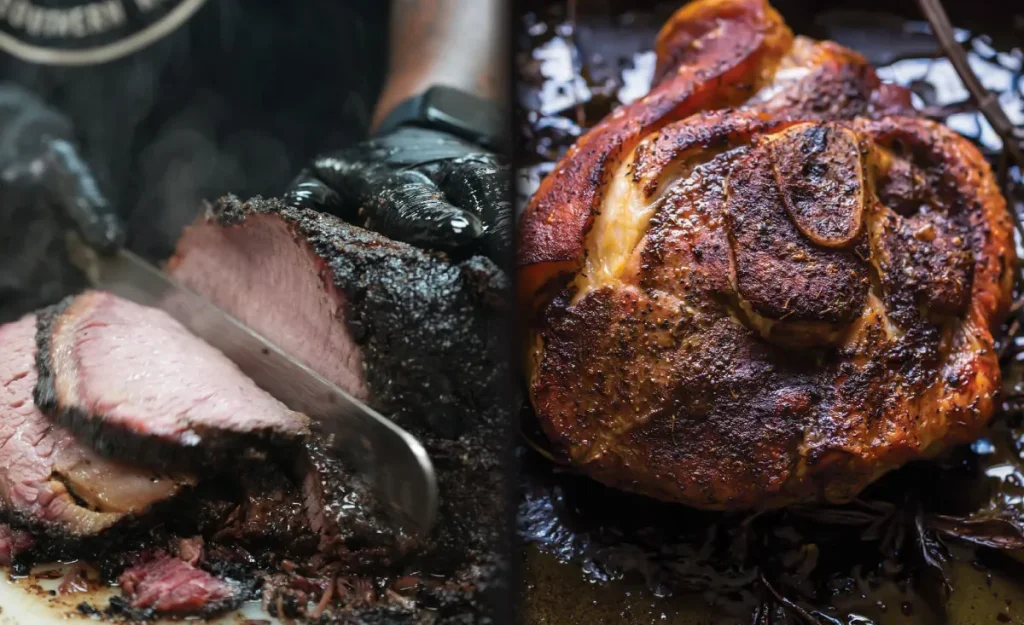
The main difference between these cuts is their fat distribution and muscle structure.
Pork butt has a higher marbling content, or intramuscular fat. This fat melts into the meat during low, slow cooking, contributing to the richness of flavor and tenderness.
Pork shoulder, especially the picnic cut, has less fat in the muscles and more fat and connective tissue outside the muscle. It will also blanch during prolonged cooking but may have a slightly different texture.
Pork Butt for Pulled Pork
The fat, connective tissue, and relatively uniform shape make pork butt one of the best cuts for pulled pork, especially for traditional BBQ where slow cooking helps the meat become tender, juicy, and easy to shred.
During extended smoking:
- The fat in the intramuscular tissues slowly softens, giving richness and moisture.
- The collagen fibers in connective tissue liquefy into gelatin, which contributes to the softness.
- The meat becomes soft enough to pull apart with the meat claws or the forks.
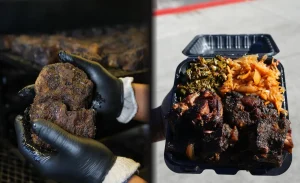
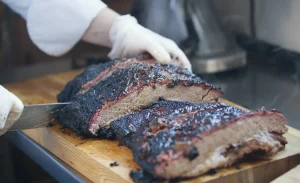
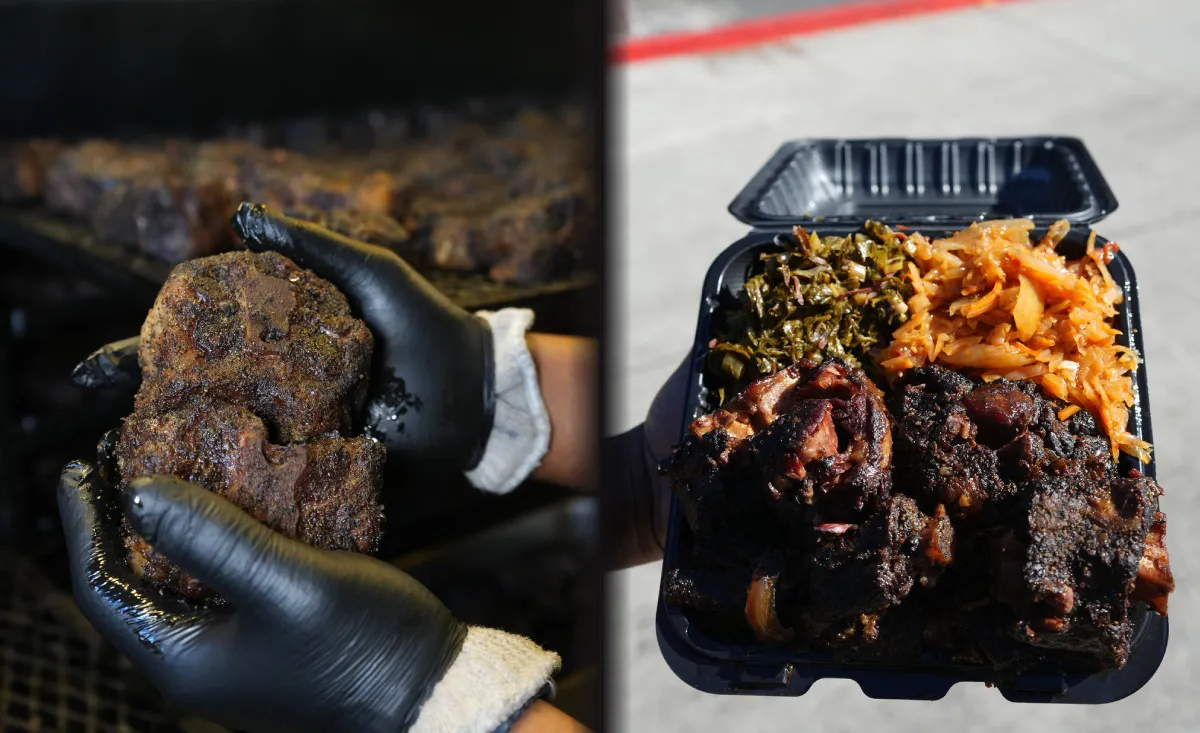
If smoked pork butt is prepared properly, it has a flavorful exterior bark and tender interior.
This makes Boston butt a reliable choice for a pulled pork catering menu, as well as other favorites such as BBQ sandwiches, pulled pork platters and big family events.
Pork Shoulder for Pulled Pork
The lower shoulder, also known as the picnic shoulder, is often attached to the skin and its muscles also function more intensely than the upper shoulder muscles.
This means that the meat will be firmer and slightly more fibrous, so it should not be too soft.
But it’s not a bad choice for pulled pork.
If pitmasters have adequate BBQ experience, they can soften the connective tissue with enough cooking time, allowing the meat to become tender.
If you’re planning to dine at our Atlanta BBQ restaurant, knowing the various cuts of pork can make it easier to decide what you want to order.
What Cut of Pork Is Best For Pulled Pork?
Pork butt is heavily marbled with fat, uniform in shape, and has enough connective tissue to be used for making pulled pork.
The fat distribution is juicy and shreds well, good for traditional Southern BBQ.
But pork shoulder is still a good choice. It is up to you how you want it cooked, what consistency you desire, and if you want a skin-on cut.
Try other classic Southern dishes to eat with pulled pork, like baked beans, coleslaw, cornbread, macaroni, and cheese.
Why Pitmasters Prefer Pork Butt for Smoking
Pork butt is a popular barbecue cut for many reasons.
- Increased marbling: The fat is distributed throughout the meat which makes it tender and tasty during longer cooking.
- Tender texture: The collagen in the connective tissues is broken down by slow cooking, making the meat tender enough to shred.
- Uniform shape for easier preparation: It is relatively uniform in shape so seasoning and placement in a smoker and tracking while cooking can be easier.
A well-bred pork butt roast provides tender pulled pork for sandwiches, platters, and catering.
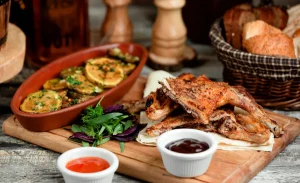
Many pitmasters also prefer to use the pork shoulder when serving a roast with Thanksgiving sides and other pork dishes that pair nicely with a roast if they want to serve a skin-on pork roast and a crispy pork skin.
How to Smoke a Pork Butt for Tender, Juicy BBQ
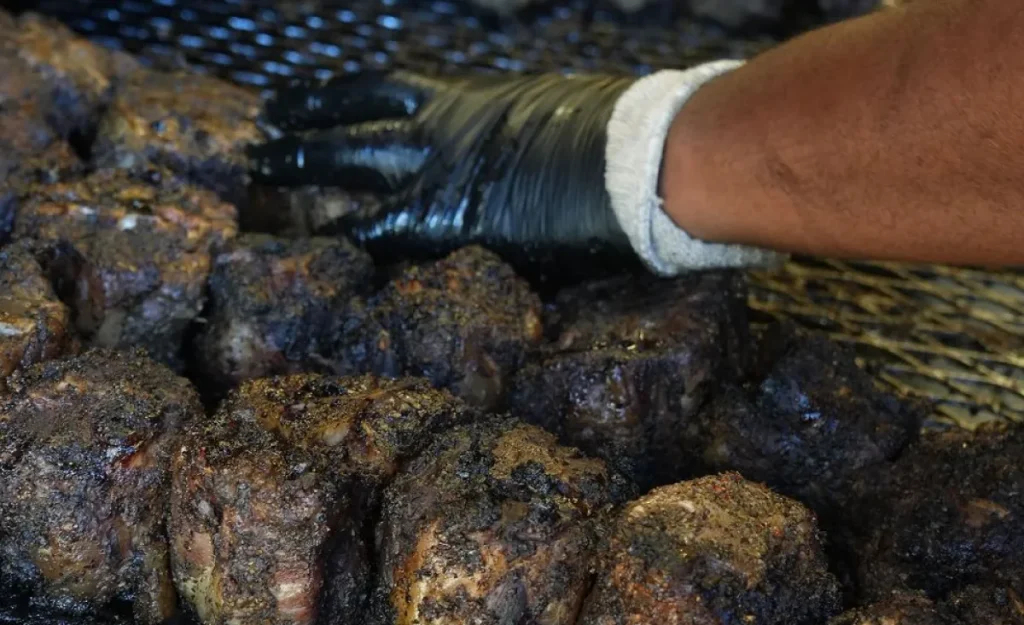
Pork requires a low and slow heat, some seasoning, and some time to cook. When comparing Boston butt vs pork shoulder, the goal is the same: cook the meat slowly enough to break down the connective tissue while developing a rich, flavorful exterior.
Pick the best pork butt roast
Always use fresh, good-quality meat from the butcher or grocery store.
Be mindful of its size and fat cap. Bone-in or boneless cuts are both traditional, but boneless cuts are far more convenient to work with and to portion.
A well-marbled pork butt roast makes the best pulled pork, particularly for a barbecue or family gathering.
Season the pork with BBQ rub.
A typical dry rub for a Southern-style barbecue includes brown sugar, paprika, black pepper, salt, garlic powder, onion powder, and cayenne pepper.
Dry the meat before rubbing seasoning over it. Smear the meat with the rub and allow it to rest on the meat prior to smoking.
Cook low and slow
Cook using indirect heat and at a steady temperature.
According to the USDA smoking guidelines, the ideal smoking temperature is 225ºF to 300ºF.
If the process feels complicated to you, it is better to book BBQ catering in Atlanta if a big event is coming up and you don’t want to take a risk with it.
Take a rest and pull the pork.
Once the meat is tender, remove it from the smoker and allow to rest before shredding. This enables the juices to set and makes the meat easier to handle.
When you hire someone to prepare professional holiday catering in Atlanta, you’ll often find that the majority of people opt for pork butt and pork shoulder both.
Authentic Southern BBQ in Metro Atlanta, Georgia
Odoms and Sons BBQ is a family-owned BBQ restaurant for the Metro Atlanta area in Georgia.
You can visit the restaurant at:
Odoms & Sons BBQ
2740 Greenbriar Parkway SW
Atlanta, GA 30331
If you are looking for the best BBQ dishes and sides, exploring a family-owned barbecue restaurant is a great way to experience traditional Southern food.
The restaurant is open on weekends from 1 PM to 8 PM or until sold out. They offer first come first service options which means you should arrive at the location as early as possible.
Final Thoughts: What Is The Difference Between Pork Shoulder Vs Butt?
Pork butt is from the upper shoulder muscle and has a higher intramuscular fat content. Whereas the pork shoulder has a leaner muscle and has skin attached to it.
While both cuts are suitable for slow cooks, traditionally the pork butt is a better choice for pulled pork as it renders down to make tender, juicy meat that is easy to shred.
To learn more about the parts of the pork shoulder and their classification, check out the USDA pork shoulder cuts guide.